The Sacred Hill of Arunachala
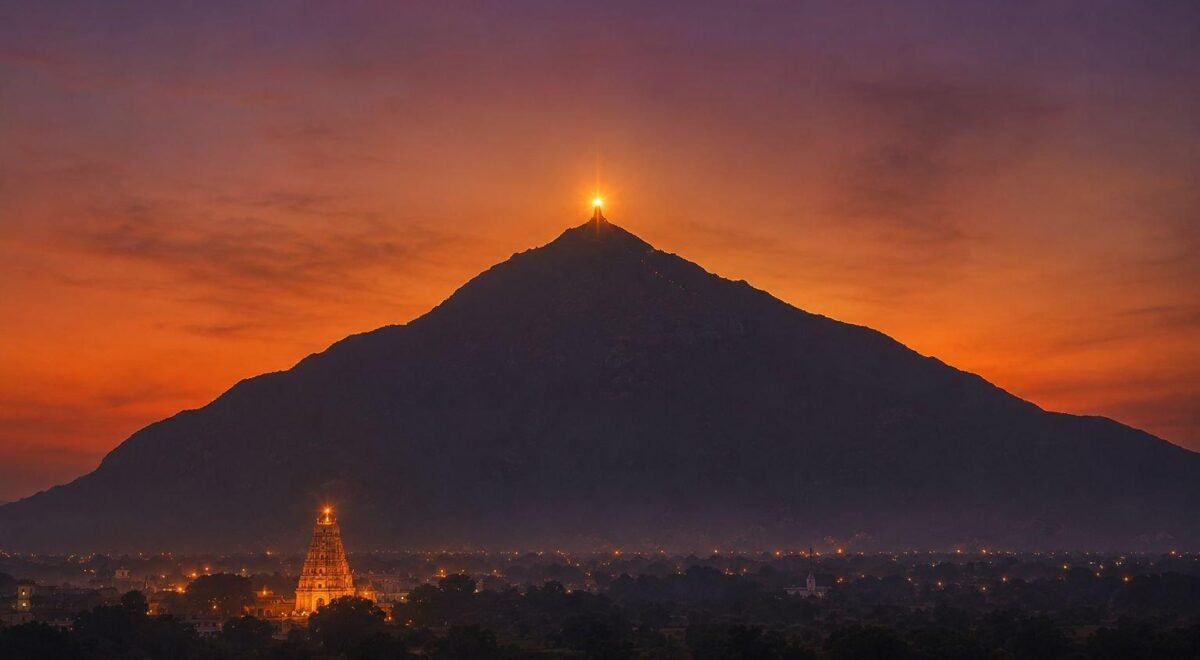
There are many sacred mountains in India, each associated with ancient traditions, saints, and spiritual practices. Yet Arunachala occupies a place of exceptional importance in the spiritual life of India. Situated at Tiruvannamalai in Tamil Nadu, this magnificent Hill has been revered for centuries as a sacred manifestation of Lord Siva. For countless devotees and spiritual seekers, Arunachala is not merely a place of pilgrimage or a mountain of natural beauty. It is regarded as the very embodiment of the Divine.
In the ancient spiritual traditions, Arunachala is especially associated with the path of Self-realization. The Skanda Purana describes the Hill as the sacred Heart-centre of Lord Siva, while Sri Ramana Maharshi regarded it as the very embodiment of the Supreme Self. Its significance therefore extends beyond religious worship and pilgrimage. For seekers, Arunachala represents the silent, unchanging Reality towards which all spiritual paths ultimately lead.
Arunachala – The Hill of Wisdom
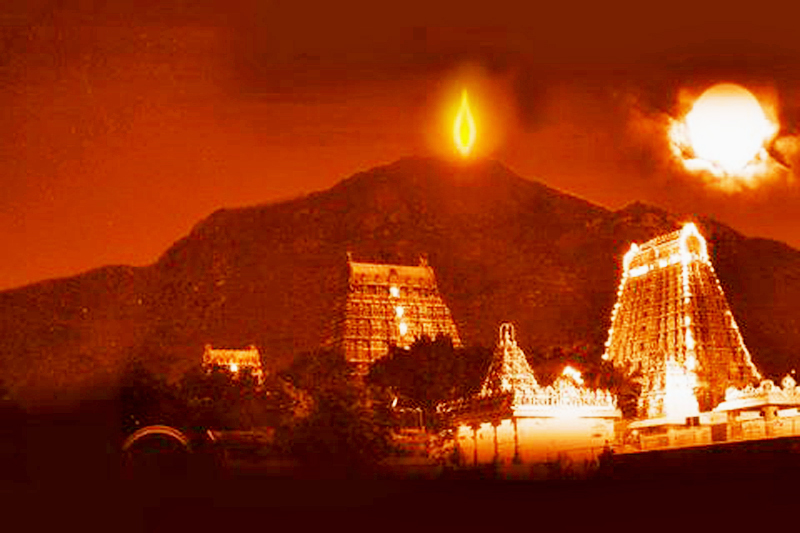
The name Arunachala is traditionally understood through two Sanskrit words: Aruna, meaning red or the radiance of fire, and Achala, meaning a mountain or that which is immovable. In its spiritual interpretation, Arunachala is often described as the Hill of Wisdom, representing the eternal and unchanging reality.
The significance of the Hill is explained in the ancient Puranic tradition, particularly in the Arunachala Mahatmya, which forms part of the Skanda Purana. According to this sacred account, Lord Siva manifested here as an infinite column of light, beyond the comprehension of even Brahma and Vishnu. This manifestation is associated with the origin of Arunachala as a sacred form of Siva.
The infinite column of light eventually assumed the form of the Hill, allowing human beings to approach and worship what would otherwise be beyond their perception. Thus, Arunachala is revered not simply as a place where Siva resides, but as Siva Himself.
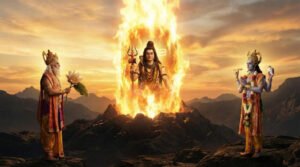
In the traditional account, the manifestation of Siva as a column of light signifies the Supreme Reality, which has neither beginning nor end. Brahma and Vishnu, despite their divine powers, were unable to discover its limits. The story conveys that the ultimate Truth is beyond the reach of the intellect and cannot be measured or comprehended through ordinary knowledge.
Arunachala is therefore associated with Jnana, or spiritual wisdom. The fire represented by Aruna is not merely physical fire, but the fire of wisdom that destroys ignorance and reveals the true nature of the Self. The Hill, standing silently and immovably, serves as a powerful symbol of the eternal Reality that remains unchanged amidst the movements and transformations of the world.
Sri Ramana Maharshi frequently emphasized that Arunachala is the Heart of all beings. He regarded the Hill not merely as a symbol of the Supreme, but as the Supreme Reality itself. For him, the outward form of Arunachala and the inward Self were not two different things. The Hill thus holds a unique place in his teachings, representing both the object of profound devotion and the ultimate Truth to be realized within.
A Manifestation of Lord Siva
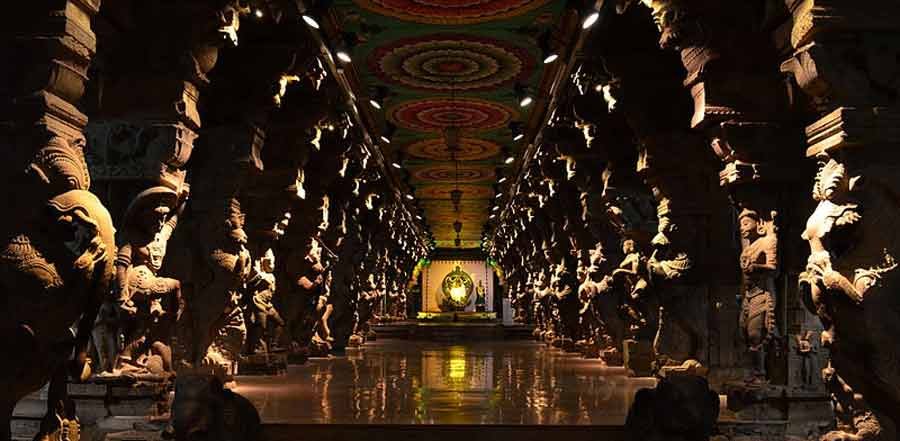
In many sacred places, the Divine is worshipped through an image, a temple, or a consecrated symbol. Arunachala is unique in that the entire mountain is regarded as the sacred form of the Lord. The Arunachaleswara Temple, situated at the foot of the Hill, is one of the great centres of Siva worship in South India. Its presiding deity is Lord Arunachaleswara, worshipped as the Lord of Arunachala.
The Skanda Purana extols Arunachala as the heart of the world and the sacred Heart-centre of Siva. Its greatness is described in terms that place it among the holiest of spiritual centres. The tradition also declares that merely thinking of Arunachala with devotion is of immense spiritual benefit. This understanding of Arunachala as Siva Himself is reflected in the traditional practice of Giripradakshina, the circumambulation of the Hill.
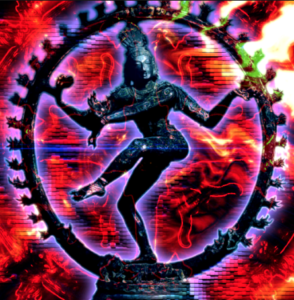
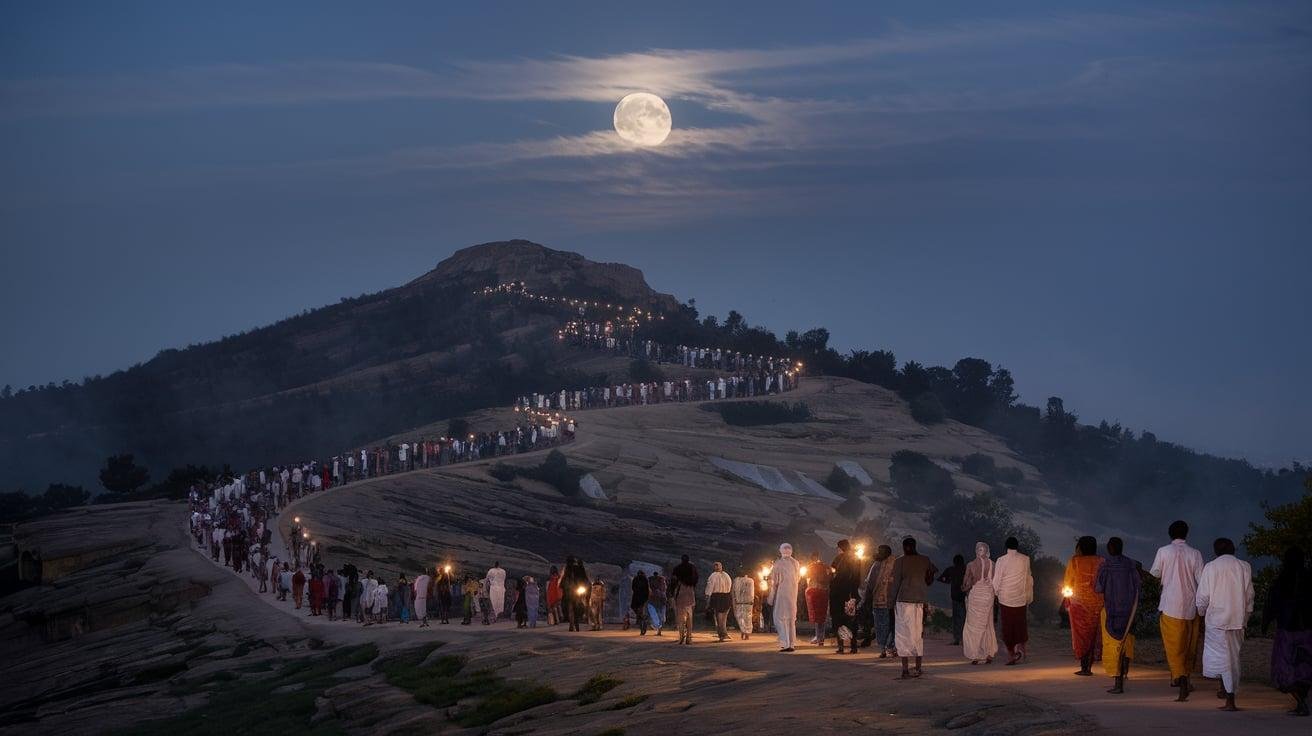
Devotees walk around Arunachala in a clockwise direction as an act of worship, regarding the Hill itself as the Divine. Unlike ordinary pilgrimage, in which devotees visit a temple or shrine, here the entire mountain becomes the object of reverence. The practice has been followed for centuries and remains one of the principal expressions of devotion at Tiruvannamalai.
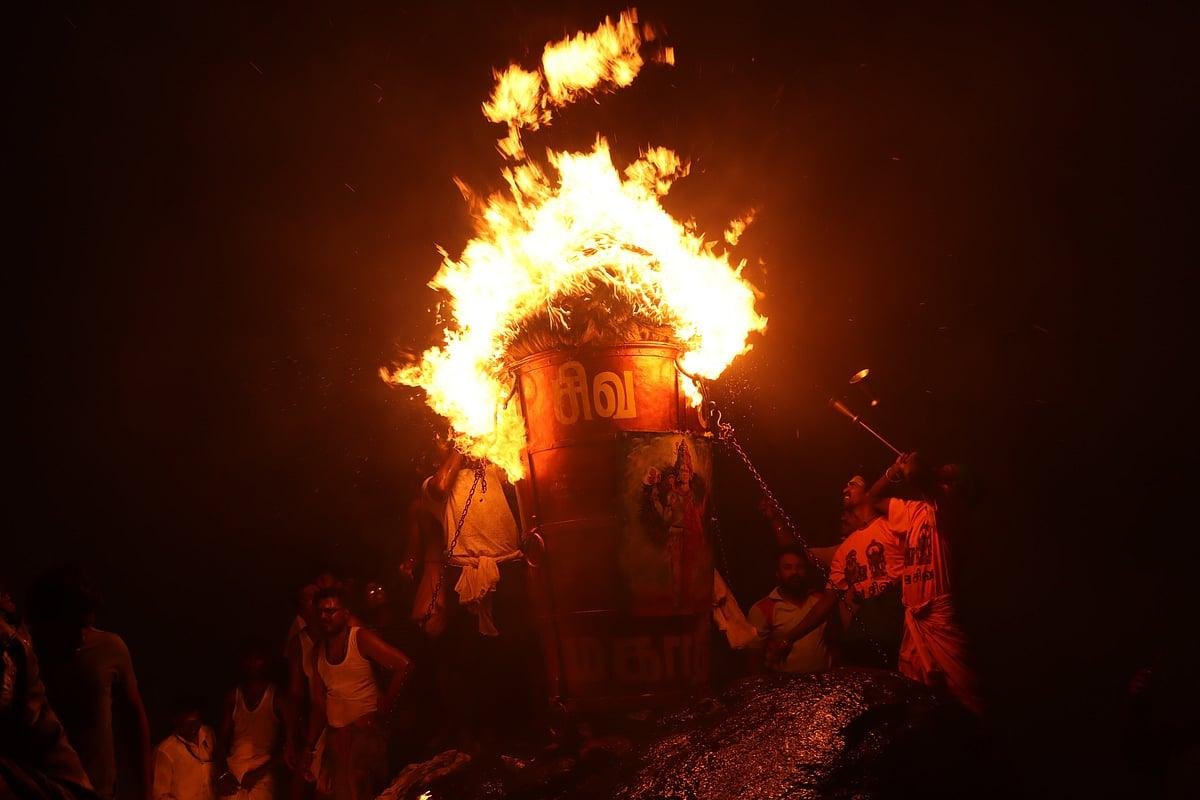
The inseparable relationship between the Hill and Lord Siva is also celebrated during the annual Karthigai Deepam festival. On this occasion, a great sacred flame is lit on the summit of Arunachala, recalling the Puranic account of Siva’s manifestation as an infinite column of light. Thousands of devotees gather to witness the beacon, which symbolises the divine light that has no beginning or end. The festival expresses the belief that the Hill is not merely associated with Siva, but is His visible manifestation.
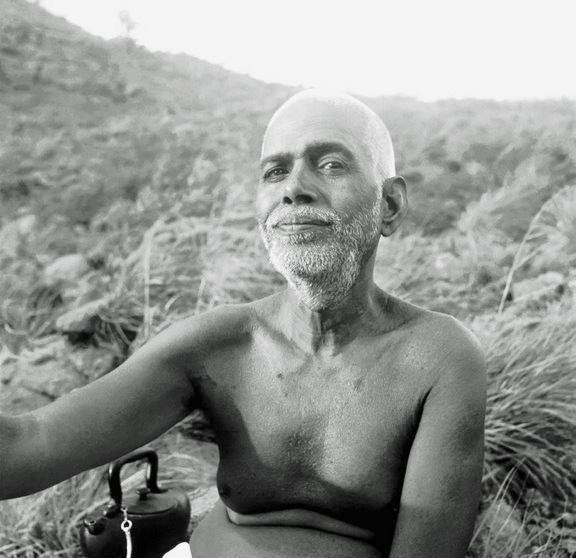
The sacredness of Arunachala has also been recognised by generations of saints and devotees who have visited, worshipped, and composed hymns in praise of the Hill. Among them was Sri Ramana Maharshi, whose life became inseparably connected with Arunachala. His devotion was not directed towards the Hill merely as a sacred object; he regarded it as the very presence of Lord Siva and as the Supreme Reality itself. This understanding gives Arunachala a special place in the spiritual tradition of India.
The Hill of Fire and the Light of Knowledge
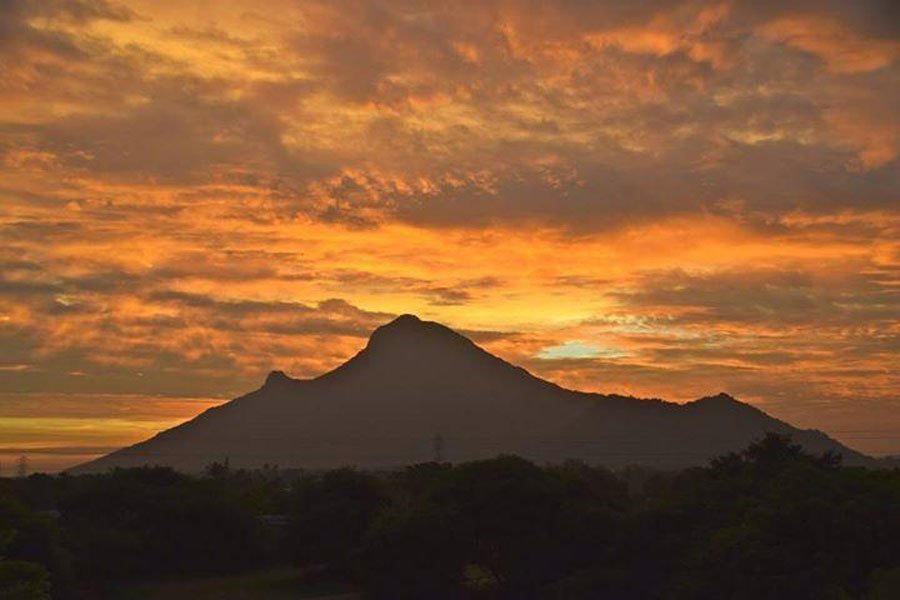
Arunachala is closely associated with the element of fire, one of the five elements in the traditional understanding of creation. It is regarded as the Agni Sthalam, the sacred centre representing fire, among the five major elemental manifestations of Lord Siva in South India. The symbolism of fire, however, extends beyond its physical meaning. Fire consumes what is placed in it, and spiritual fire represents the destruction of ignorance, ego, and the limitations that prevent one from recognising one’s true nature.
In this sense, Arunachala represents the light of pure knowledge that dispels the darkness of ignorance. The Hill stands unmoving and silent, yet its spiritual significance is understood to be profound. It does not instruct through wordsor teachings; its very presence is regarded as a source of grace. The association of Arunachala with fire is also reflected in the ancient tradition of the five elemental forms of Lord Siva, known as the Pancha Bhoota Sthalams. These sacred temples represent the five elements: earth, water, fire, air, and space. Arunachala, worshipped as Agni Lingam at the Arunachaleswara Temple, represents the element of fire. In this tradition, the Hill itself is revered as the manifestation of Siva’s fiery form.
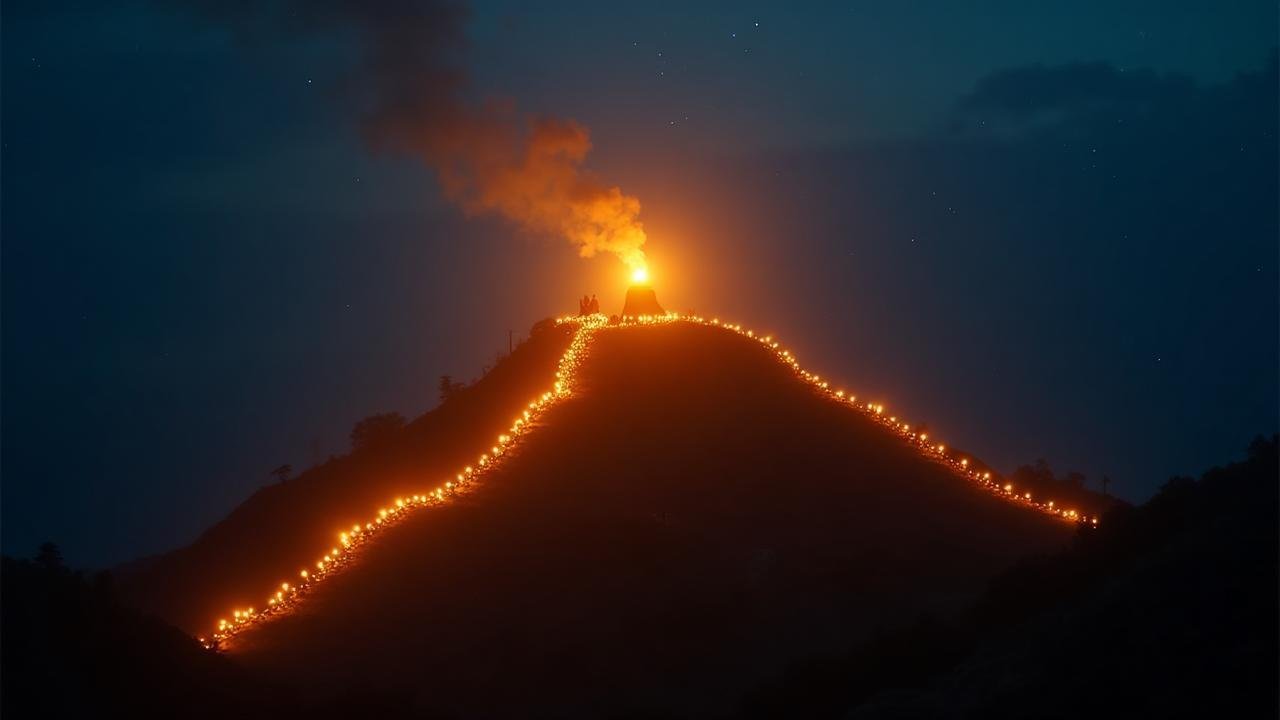
The great Karthigai Deepam festival celebrates this unique significance of Arunachala. Each year, on the full moon day of the Tamil month of Karthigai, a huge beacon of fire is lit on the summit of the Hill. Visible from great distances, this sacred flame recalls Siva’s manifestation as an endless column of light. For devotees, the beacon is a reminder of the divine light that shines beyond the limitations of the mind and the senses.
Sri Ramana Maharshi gave this symbolism an especially profound spiritual meaning. He explained that the true significance of Arunachala is not limited to the visible Hill or the external flame. The light of Arunachala is the light of the Self, the pure awareness that exists within every being. Just as a flame dispels darkness, the grace of Arunachala is understood to remove the ignorance that conceals one’s true nature.
Sri Ramana Maharshi and Arunachala
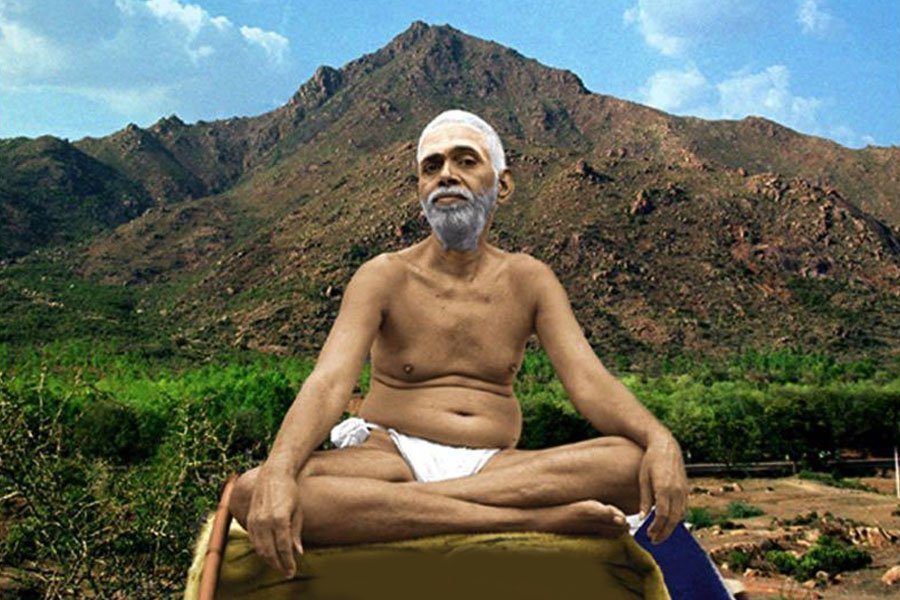
The sacred Hill has a particularly special place in the life and teachings of Sri Ramana Maharshi. From the moment he first heard the name Arunachala as a young boy, it awakened an extraordinary attraction within him. Years later, following his profound spiritual experience at the age of sixteen, he left Madurai and arrived at Tiruvannamalai in 1896. From that day onward, Arunachala became his permanent home.
Sri Ramana regarded Arunachala as Lord Siva Himself, the visible form of the Supreme Reality. He often explained that Arunachala was not merely a mountain possessing spiritual power; it was the Self itself, appearing in a form that could be seen by the eyes.
Sri Ramana regarded Arunachala as Lord Siva Himself, the visible form of the Supreme Reality. He often explained that Arunachala was not merely a mountain possessing spiritual power; it was the Self itself, appearing in a form that could be seen by the eyes.
He also explained the meaning of its name in a deeper spiritual sense. Aruna represents the fire of wisdom, or Jnana, while Achala signifies that which is still and unmoving. Arunachala thus represents the eternal, motionless awareness that is the true nature of every being.
For him, devotion to Arunachala and the realization of the Self were not separate. The Hill was both the object of devotion and the ultimate Reality to be realized within.
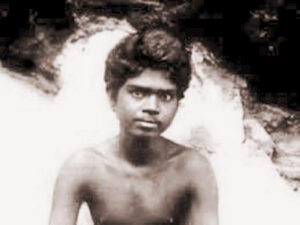
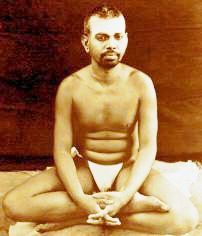
During his early years at Tiruvannamalai, Sri Ramana spent long periods in deep absorption in the presence of Arunachala. He first lived in the great Arunachaleswara Temple and later in various places on the Hill, including Virupaksha Cave and Skandashram. These years were marked by intense spiritual silence and the gradual gathering of devotees around him. Arunachala remained the centre of his life throughout.
Among his compositions dedicated to Arunachala are the Five Hymns to Arunachala, a collection of devotional works expressing different aspects of his relationship with the sacred Hill. Besides Aksharamanamalai, these include Navamanimalai, Arunachala Padigam, Arunachala Ashtakam and Arunachala Pancharatnam. His Arunachala Mahatmyam is also widely revered. Together, these hymns reveal the depth of his devotion and the central place Arunachala occupied in his spiritual life.
Sri Ramana also made it clear that Arunachala’s influence was not confined to those who physically visited the Hill. He taught that the grace of Arunachala operates within the Heart, drawing the mind away from external distractions towards its source. For those who follow the path of Self-enquiry, this teaching reveals the deeper meaning of his lifelong association with the Hill: the outward journey to Arunachala ultimately points towards the inward discovery of the Self.
Giripradakshina – Walking Around the Sacred Hill
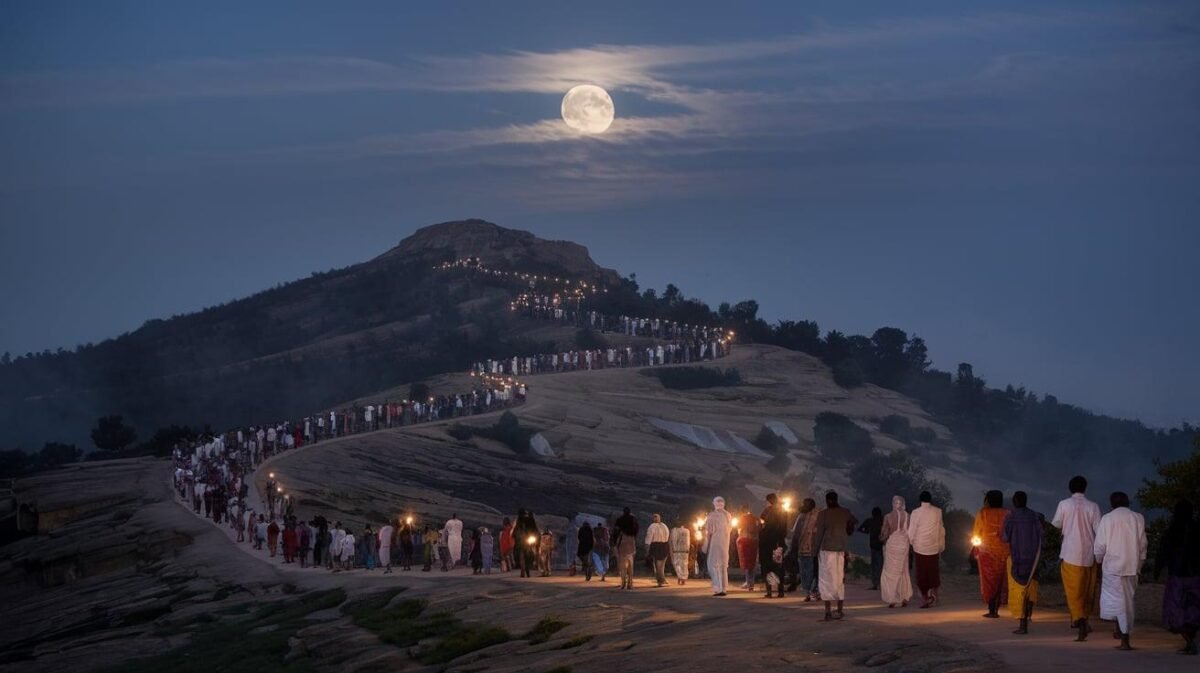
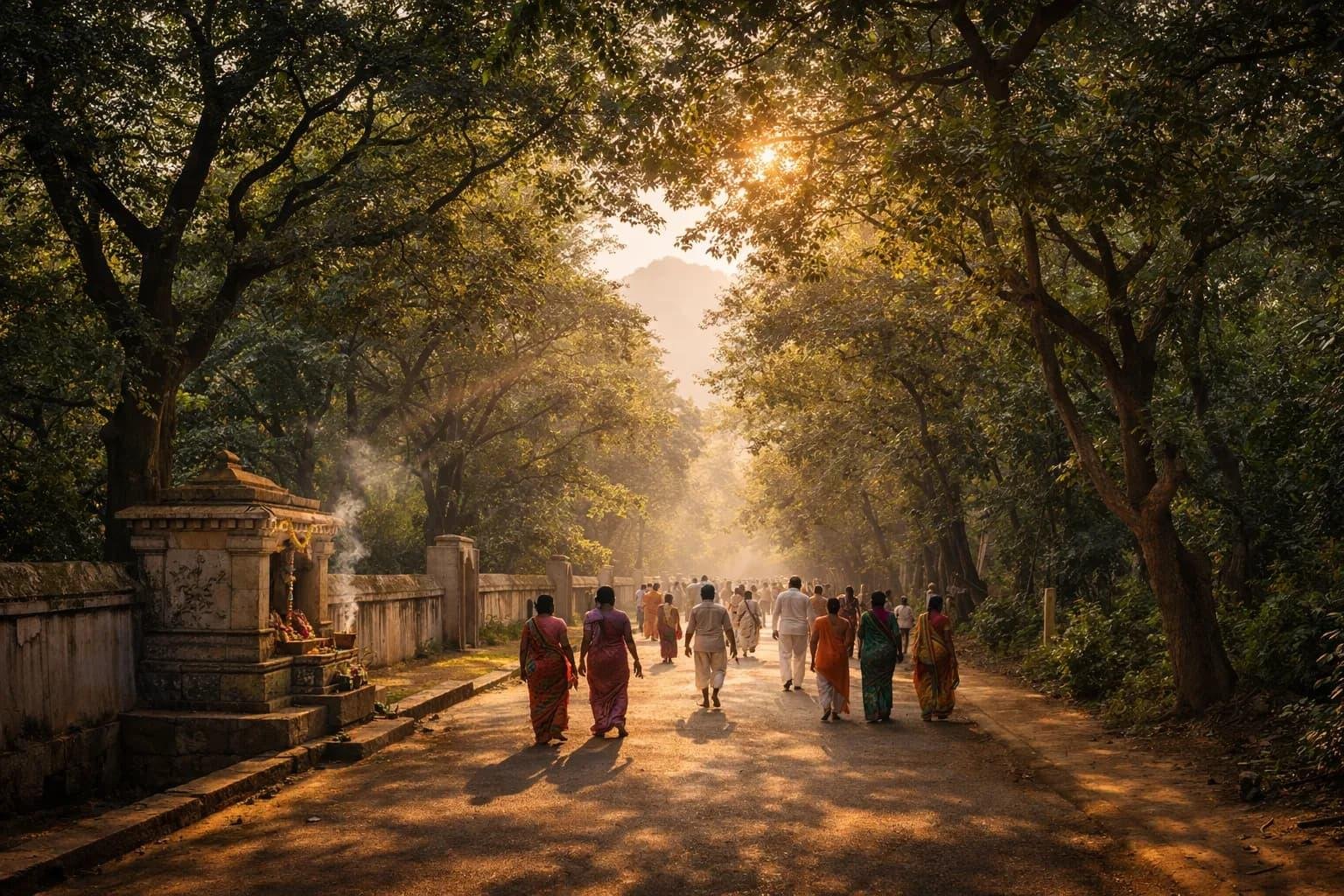
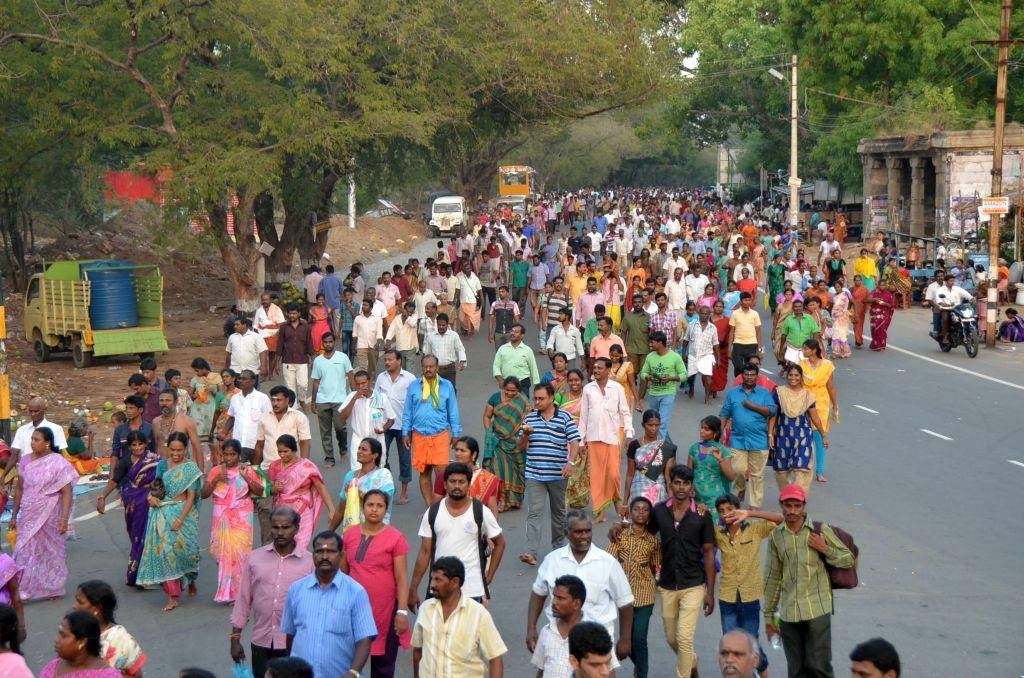
One of the most important spiritual practices associated with Arunachala is Giripradakshina, the circumambulation of the Hill. Devotees walk clockwise around the mountain, keeping it to their right as an expression of reverence and surrender.
The traditional route is approximately fourteen kilometres long and passes through various shrines, sacred spots, and places of worship. Devotees undertake this pilgrimage throughout the year, but full-moon nights are especially popular.
Giripradakshina is not regarded merely as a physical journey. It is an act of worship, an offering of oneself to the Divine, and a reminder that the spiritual path requires humility and surrender. Many devotees perform the circumambulation barefoot, silently repeating the name of Arunachala or contemplating its sacred presence.
Sri Ramana Maharshi encouraged the practice and spoke of its spiritual significance. He explained that the true meaning of pradakshina is that everything is contained within the Divine. In walking around Arunachala, the devotee is reminded that the entire universe has its source in the Supreme Reality.
During his early years at Tiruvannamalai, Sri Ramana spent long periods in deep absorption in the presence of Arunachala. He first lived in the great Arunachaleswara Temple and later in various places on the Hill, including Virupaksha Cave and Skandashram. These years were marked by intense spiritual silence and the gradual gathering of devotees around him. Arunachala remained the centre of his life throughout.
Among his compositions dedicated to Arunachala are the Five Hymns to Arunachala, a collection of devotional works expressing different aspects of his relationship with the sacred Hill. Besides Aksharamanamalai, these include Navamanimalai, Arunachala Padigam, Arunachala Ashtakam and Arunachala Pancharatnam. Together, these hymns reveal the depth of his devotion and the central place Arunachala occupied in his spiritual life.
Sri Ramana also made it clear that Arunachala’s influence was not confined to those who physically visited the Hill. He taught that the grace of Arunachala operates within the Heart, drawing the mind away from external distractions towards its source. For those who follow the path of Self-enquiry, this teaching reveals the deeper meaning of his lifelong association with the Hill: the outward journey to Arunachala ultimately points towards the inward discovery of the Self.
Karthigai Deepam – The Festival of the Sacred Light
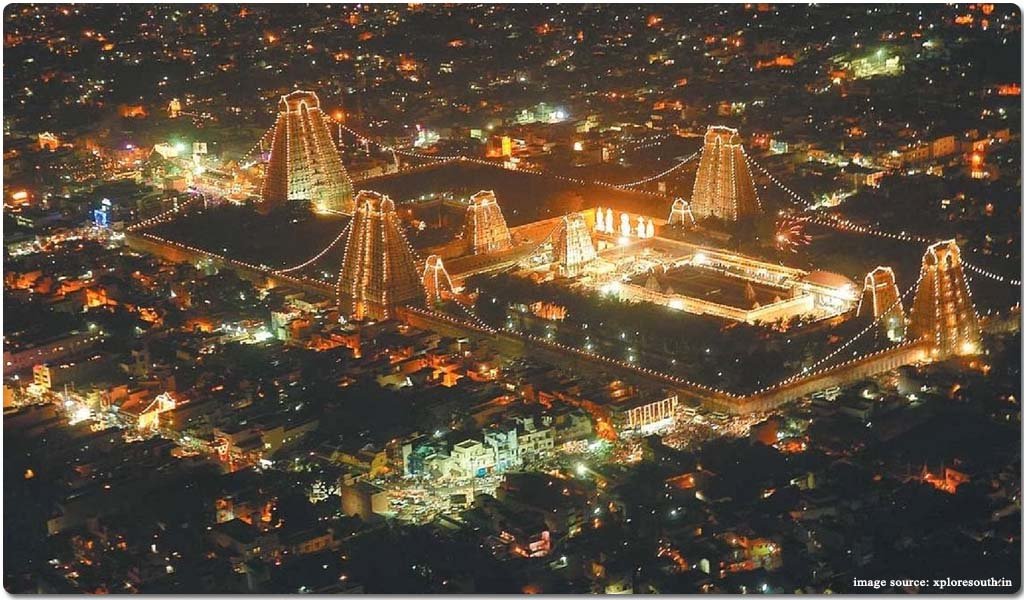
The annual Karthigai Deepam festival is one of the most important celebrations at Tiruvannamalai. It commemorates the manifestation of Lord Siva as an infinite column of light, the sacred event associated with the origin of Arunachala.
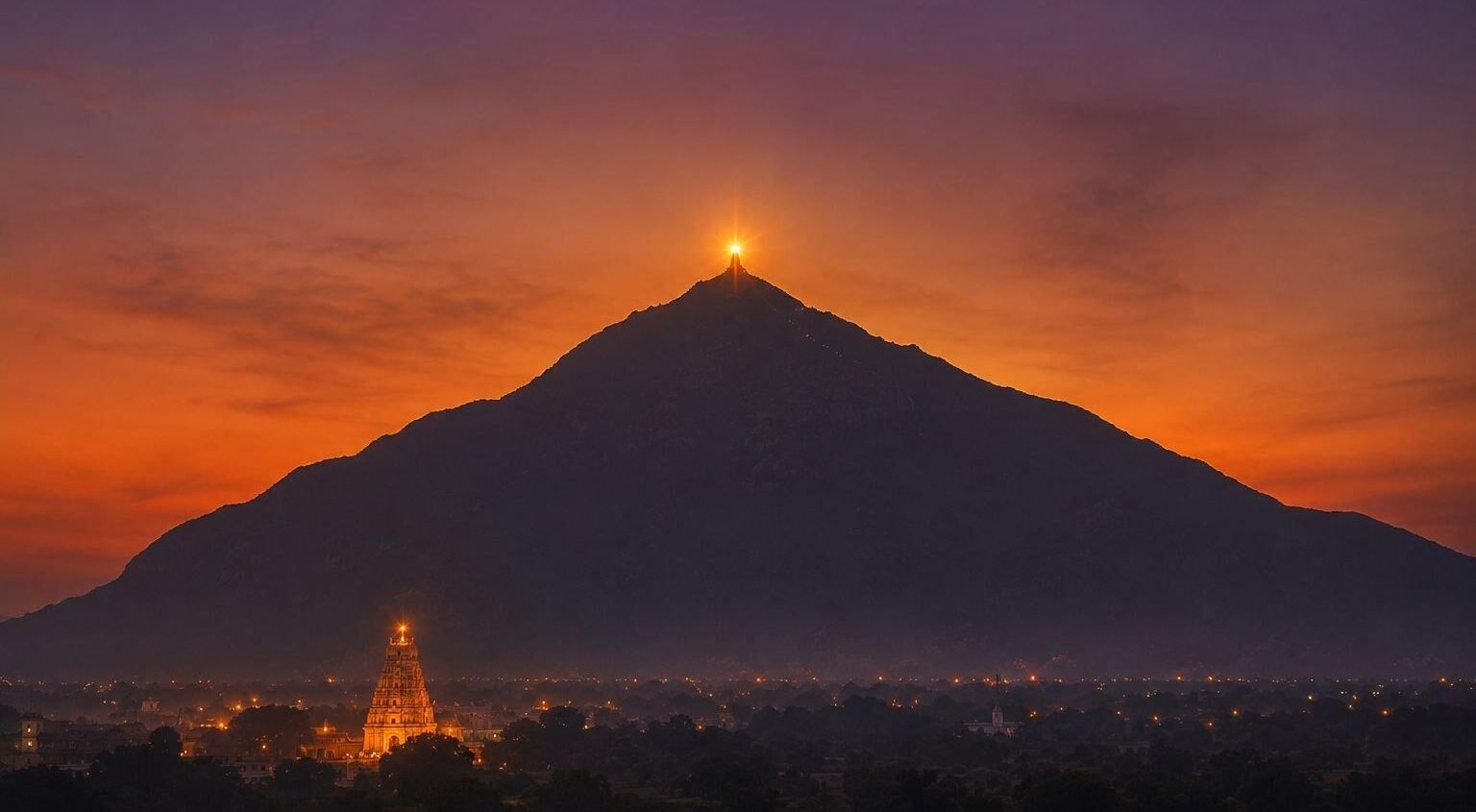
On the principal day of the festival, a great flame is lit on the summit of the Hill in a large ceremonial vessel. The beacon can be seen from considerable distances, and thousands of devotees gather to witness the sacred light.
For devotees, the Deepam is more than a festival spectacle. It symbolises the eternal light of consciousness, which is beyond the limitations of form and understanding. The flame on the Hill serves as a reminder of the infinite light that is the true nature of the Self.
The festival takes place during the Tamil month of Karthigai, usually in November or December, and is celebrated over several days with religious ceremonies and processions. At the Arunachaleswara Temple, the festival begins with the ceremonial hoisting of the temple flag, marking the commencement of the celebrations. Special worship is offered to Lord Arunachaleswara and Goddess Unnamulai Amman throughout this period./p>
The lighting of the Maha Deepam on the summit of Arunachala is the central event of the festival. A large vessel containing ghee and a specially prepared wick is used to kindle the sacred flame. When the beacon is lit, devotees throughout Tiruvannamalai offer their prayers and chant Annamalaiyarukku Arohara, expressing their devotion to Lord Annamalaiyar. The lighting of the flame is accompanied by great spiritual fervour and rejoicing.
The Deepam recalls the ancient account of Lord Siva appearing as an immeasurable column of fire, whose beginning and end could not be discovered by Brahma and Vishnu. The flame on Arunachala is therefore understood as a reminder of the Supreme Reality, which transcends all names, forms and limitations. It represents the light of wisdom that dispels the darkness of ignorance.
For devotees of Sri Ramana Maharshi, Karthigai Deepam also carries a special significance. Bhagavan regarded Arunachala as the very embodiment of the Supreme Self, and the sacred flame beautifully expresses this understanding. The outward light seen on the summit points towards the inward light of pure awareness, which is ever present in the Heart of every being.
The Eternal Presence of Arunachala
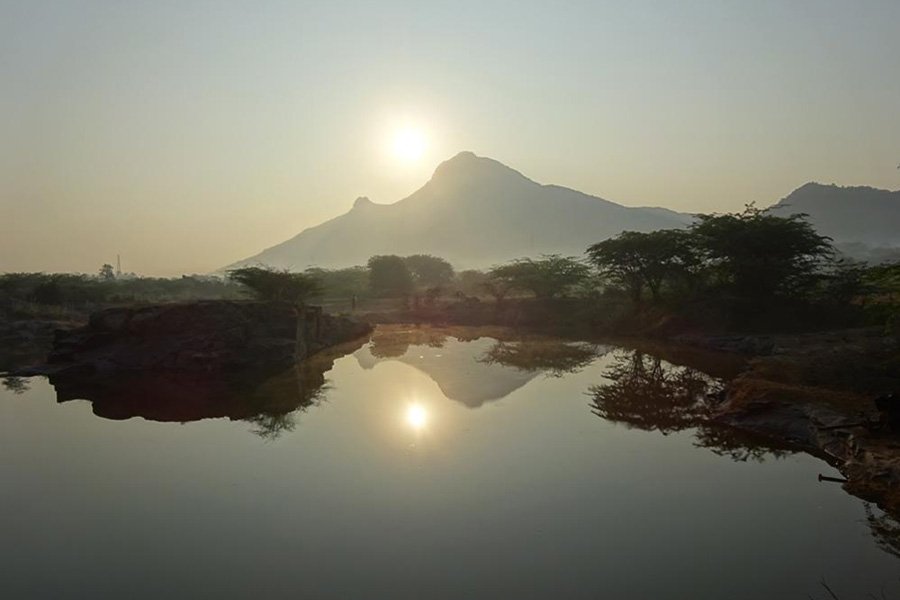
Arunachala continues to draw seekers from all parts of the world. Some come to worship Lord Siva, some to undertake Giripradakshina, and others to sit quietly in the presence of the Hill. Many are drawn by the life and teachings of Sri Ramana Maharshi, whose association with Arunachala has made it an especially important destination for those following the path of Self-enquiry.
Its greatness, however, cannot be measured merely by the number of devotees who visit it or the religious traditions associated with it. For those who understand its deeper significance, Arunachala represents the eternal truth that lies beyond the changing world – the silent, unmoving Reality that is the source of all existence.
As the sacred tradition declares, even the remembrance of Arunachala is of immense spiritual significance. And as Sri Ramana Maharshi’s life and teachings reveal, the grace of Arunachala is not confined to the physical Hill. Its true presence is within the Heart of every being.
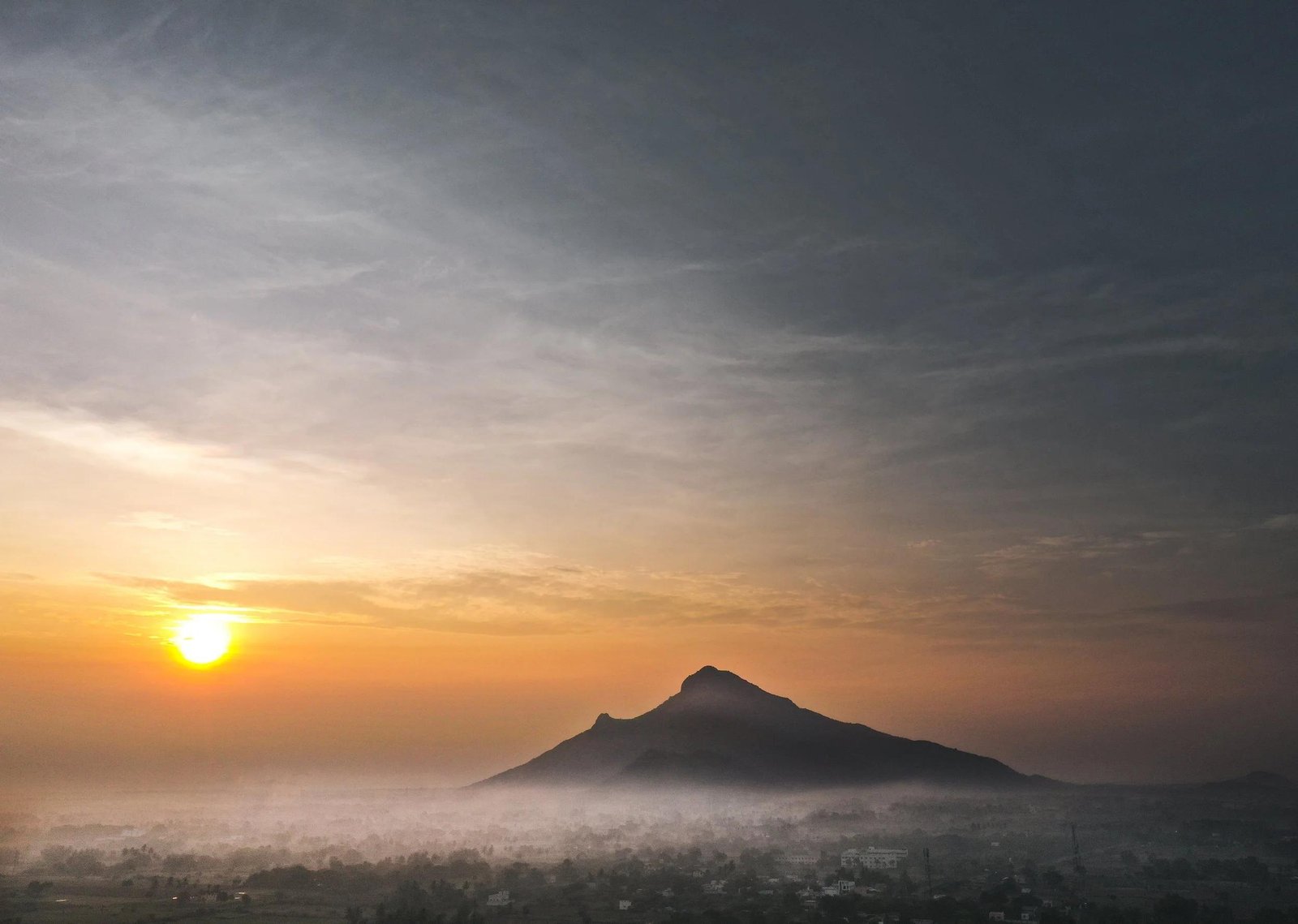
Arunachala is the Hill of Wisdom, the Sacred form of Siva, and the Silent reminder of the Eternal Self.

